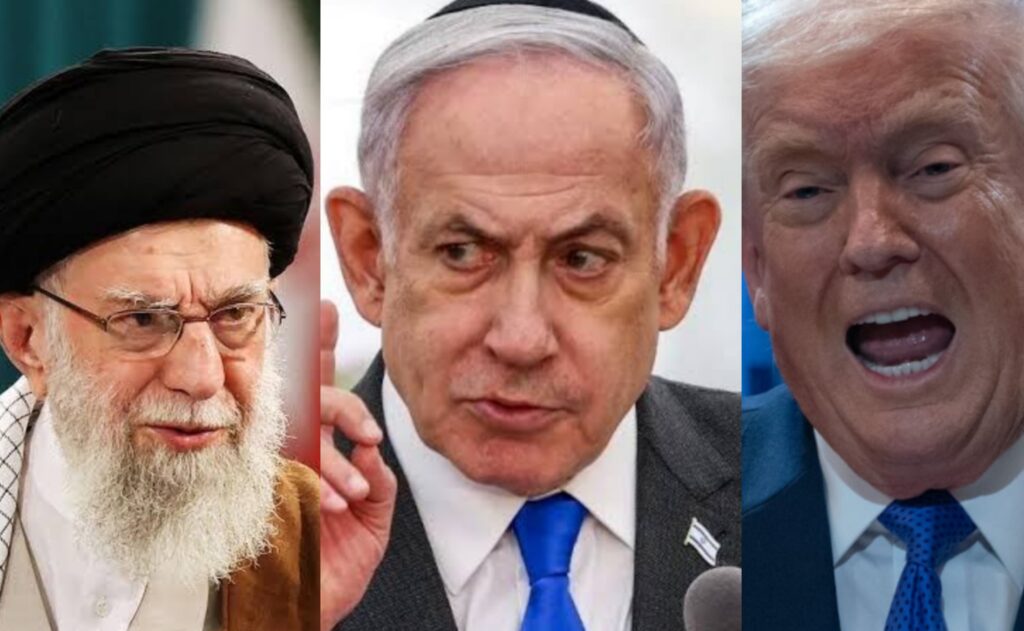
US airbases located within these countries were hit, reflecting Iran’s intent to challenge American military presence and regional alliances.
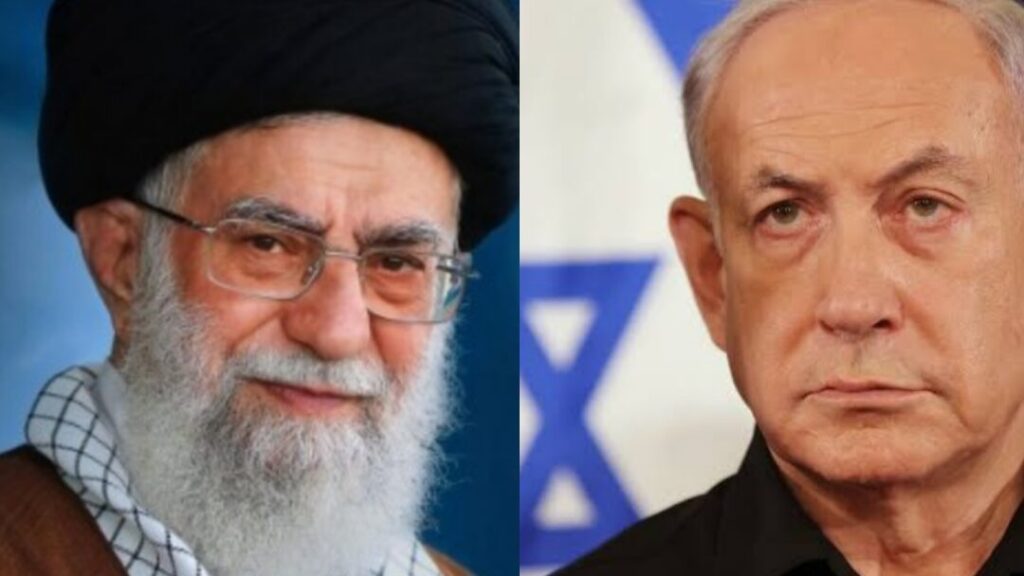
MIDDLE EAST TENSION : Recent developments in the Middle East indicate that Iran is leveraging its geographic and military position to weaponize global oil supply routes. A series of targeted strikes and strategic blockades has disrupted crude transportation, escalating geopolitical tension, and threatening global energy stability.
Escalating Attacks on Oil Infrastructure and Transport
.Oil Tankers Targeted : Multiple commercial oil tankers transiting the region have been attacked, intensifying fears of a broader conflict involving global shipping lanes.
Strike on Saudi Arabia’s Aramco Refinery : Iranian missiles struck facilities belonging to Saudi Aramco, one of the world’s largest oil producers. This attack not only disrupted output but also sent shockwaves through global energy markets.
Attacks Across Gulf Nations : Oil- and gas-producing Gulf nations such as Qatar and the UAE have also been targeted. US airbases located within these countries were hit, reflecting Iran’s intent to challenge American military presence and regional alliances.
Blockade of the Strait of Hormuz : The most consequential escalation has been Iran’s effective blockade of the Strait of Hormuz—one of the world’s most critical energy chokepoints. At least 150 tankers carrying crude oil remain stalled, causing severe supply chain disruptions.
What Is the Strait of Hormuz? : The Strait of Hormuz is a narrow maritime passage between Iran and Oman that links the Persian Gulf to the Arabian Sea. It is often described as the world’s most important oil transit chokepoint, with a significant share of global crude and LNG passing through it daily.
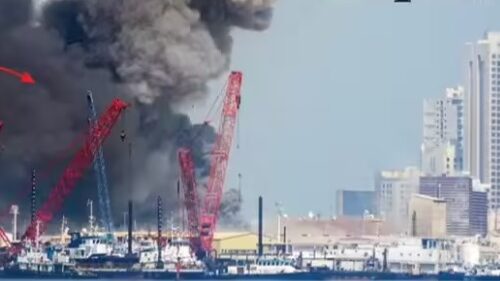
Why Iran Is Targeting Oil Iran’s strategy appears to be driven by two major goals:
Higher Oil Prices and Increased War-Risk Premium : By increasing tensions and supply uncertainty, Iran can drive up global oil prices. This not only puts pressure on energy-dependent economies but also increases the cost of military operations for the US and its allies.
Strategic Pressure on the US–Israel Axis : Iran is using energy disruption as a geopolitical lever. Since the US and Israel are major importers and heavily reliant on global energy stability, Iran is betting that rising prices and growing international anxiety will push global powers to pressure Washington and Tel Aviv toward de-escalation.
Conclusion : Iran’s actions indicate a deliberate strategy to use global energy flows as a form of leverage in its conflict with the US and Israel. By targeting infrastructure, attacking regional allies, and disrupting shipping through the Strait of Hormuz, Iran has triggered a ripple effect that threatens global oil markets and heightens geopolitical risk. How the international community responds will shape the next phase of regional stability—and global energy security.